The 2026 Hakluyt Essay Prize
In partnership with The Times Literary Supplement and The London Library.
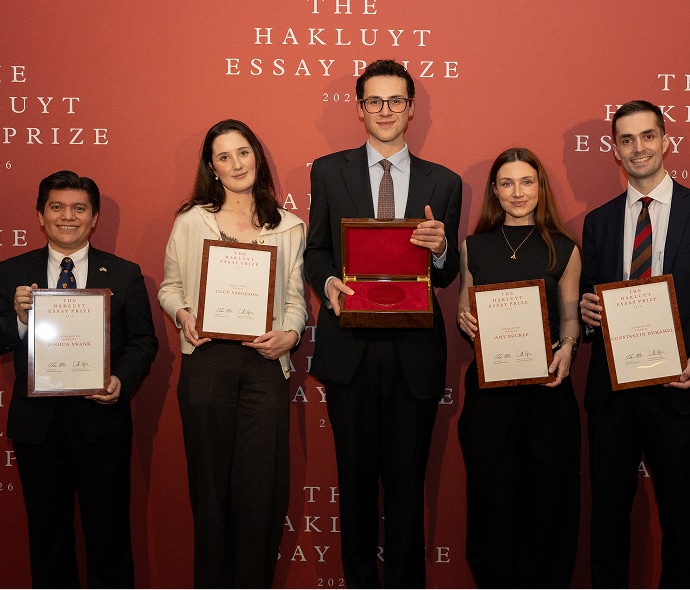
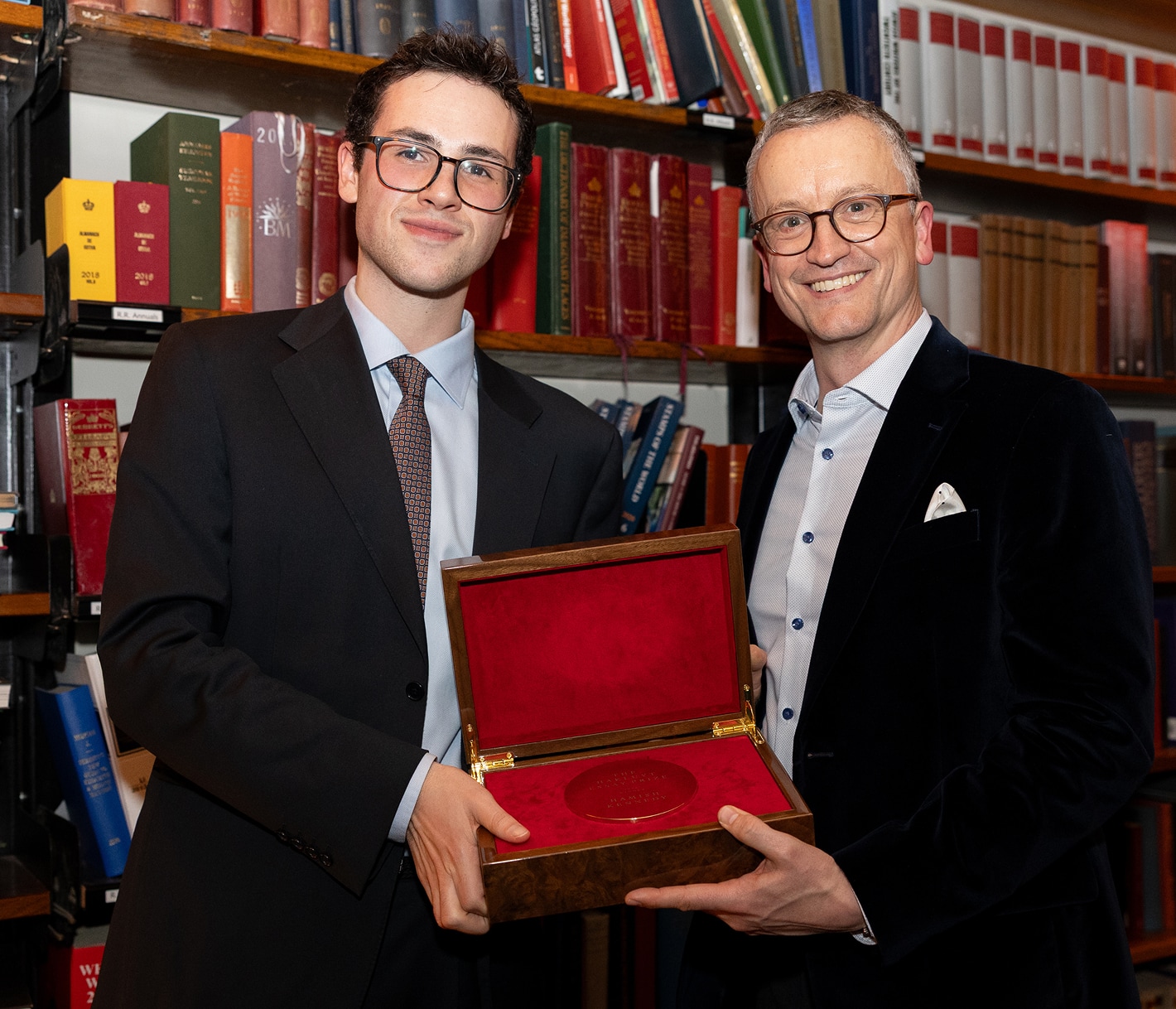
We are delighted to announce Hamish Kennedy as the winner of the 2026 Hakluyt Essay Prize.
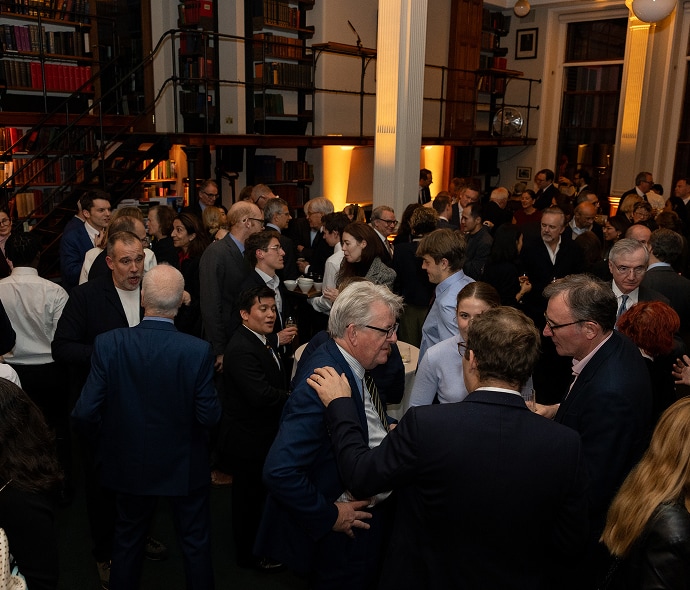
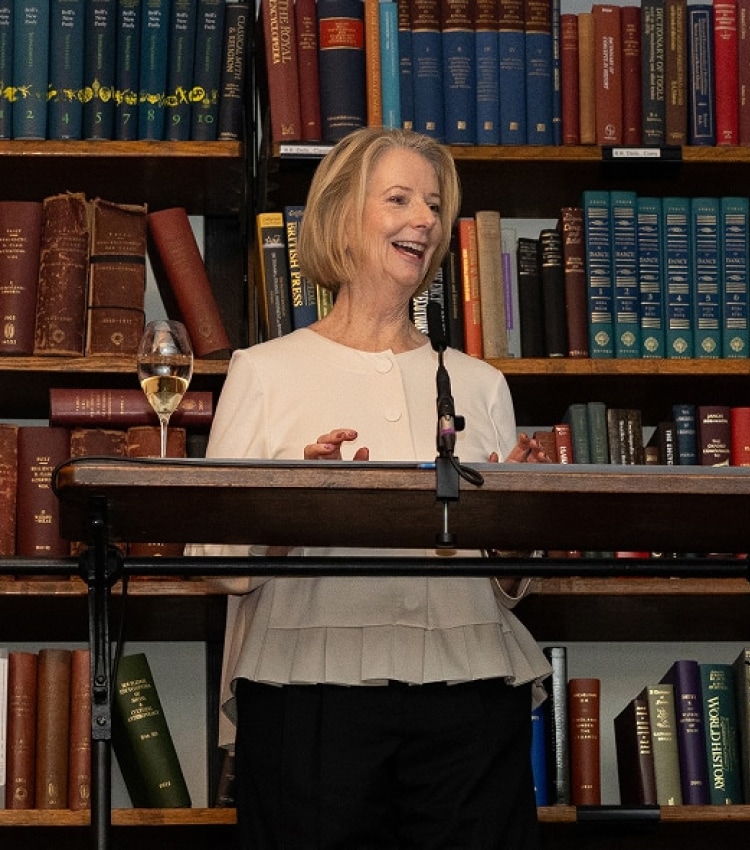
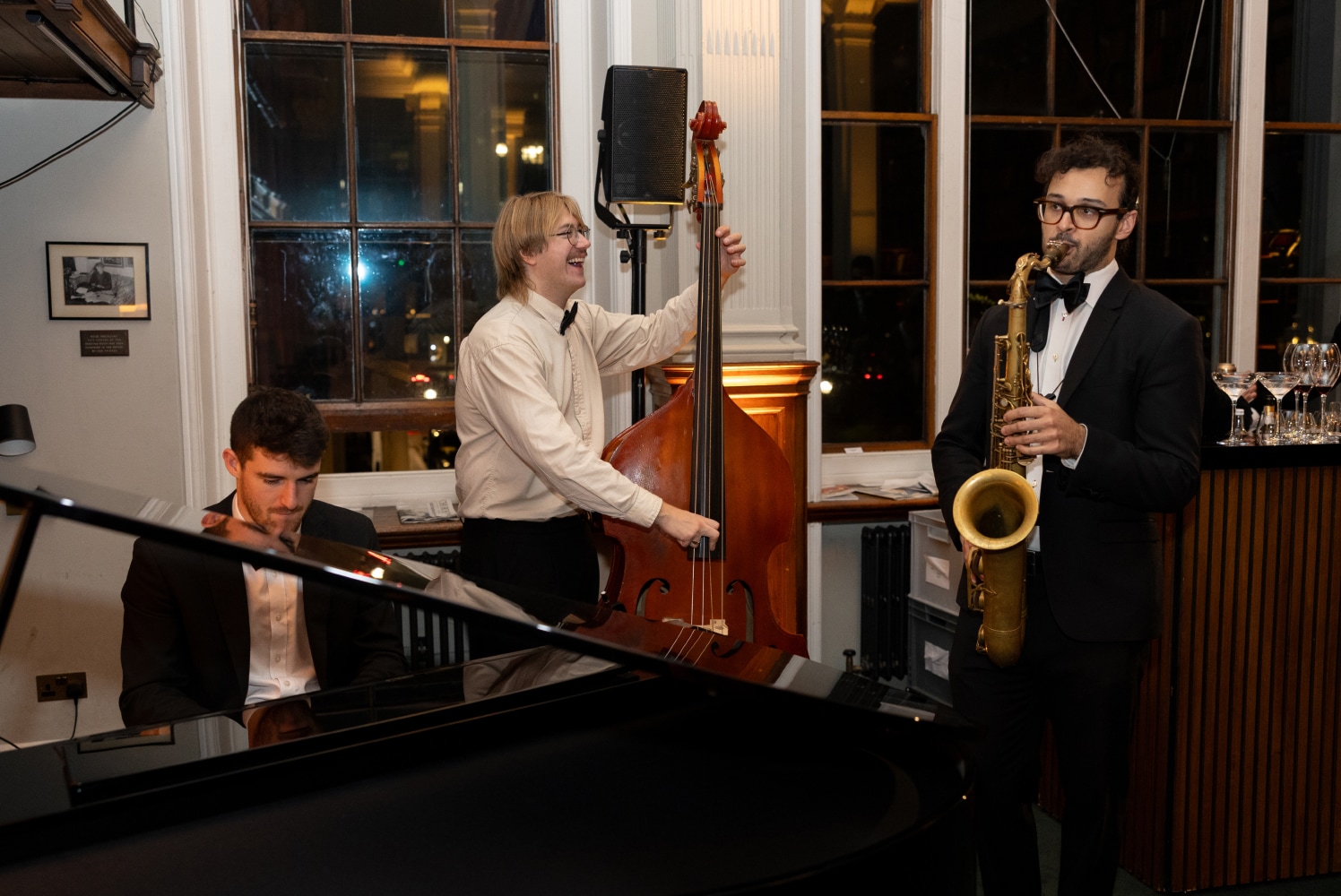
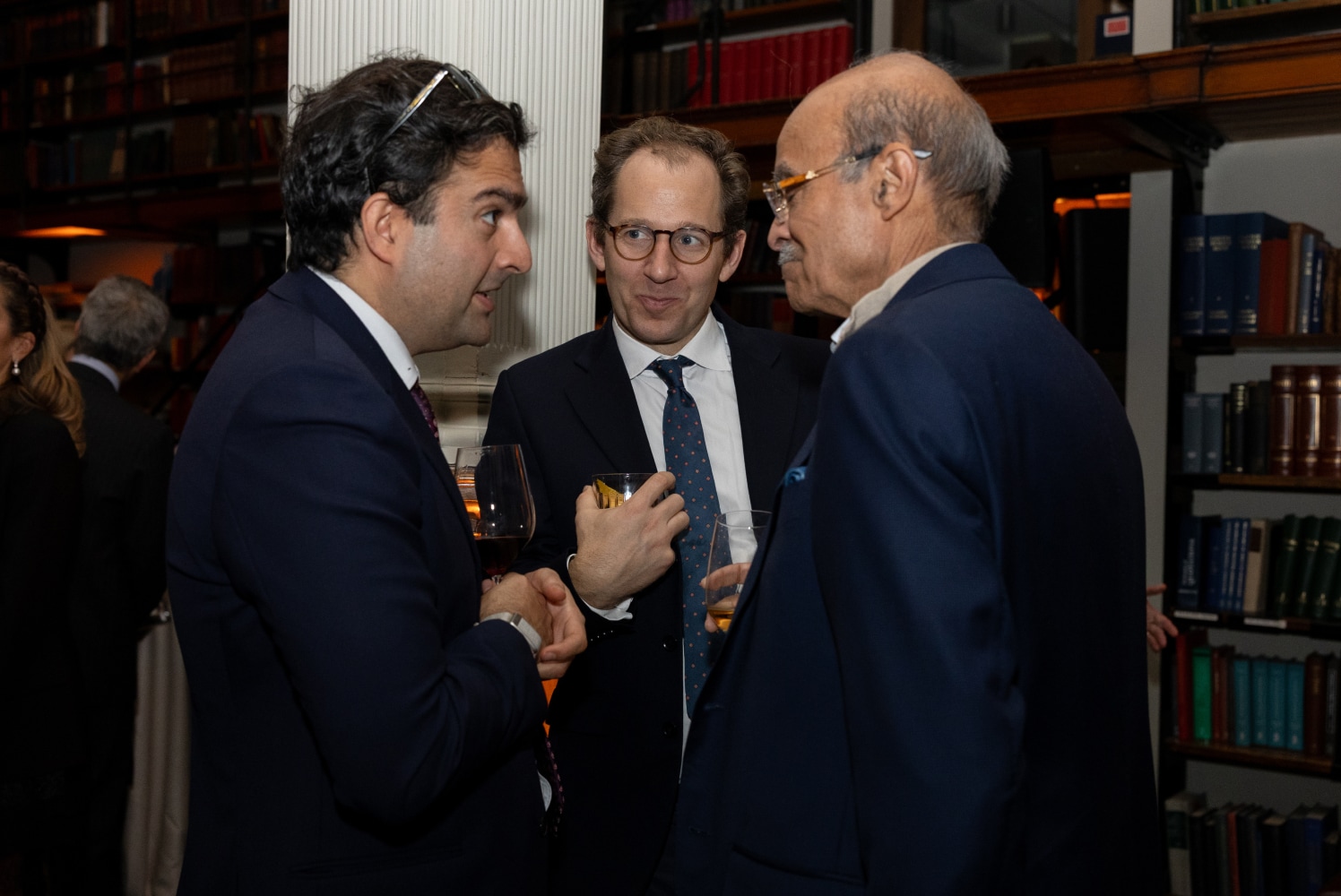
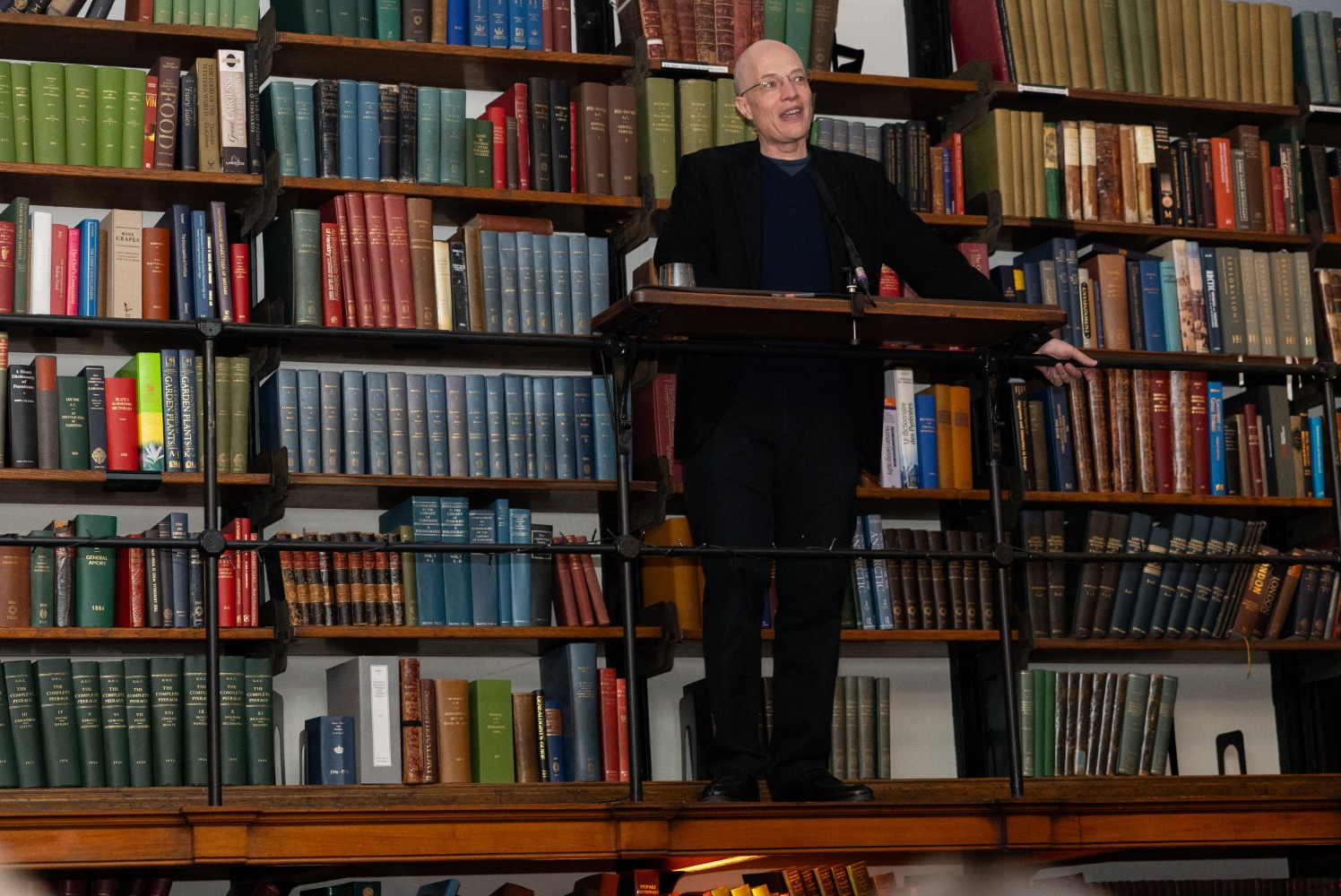
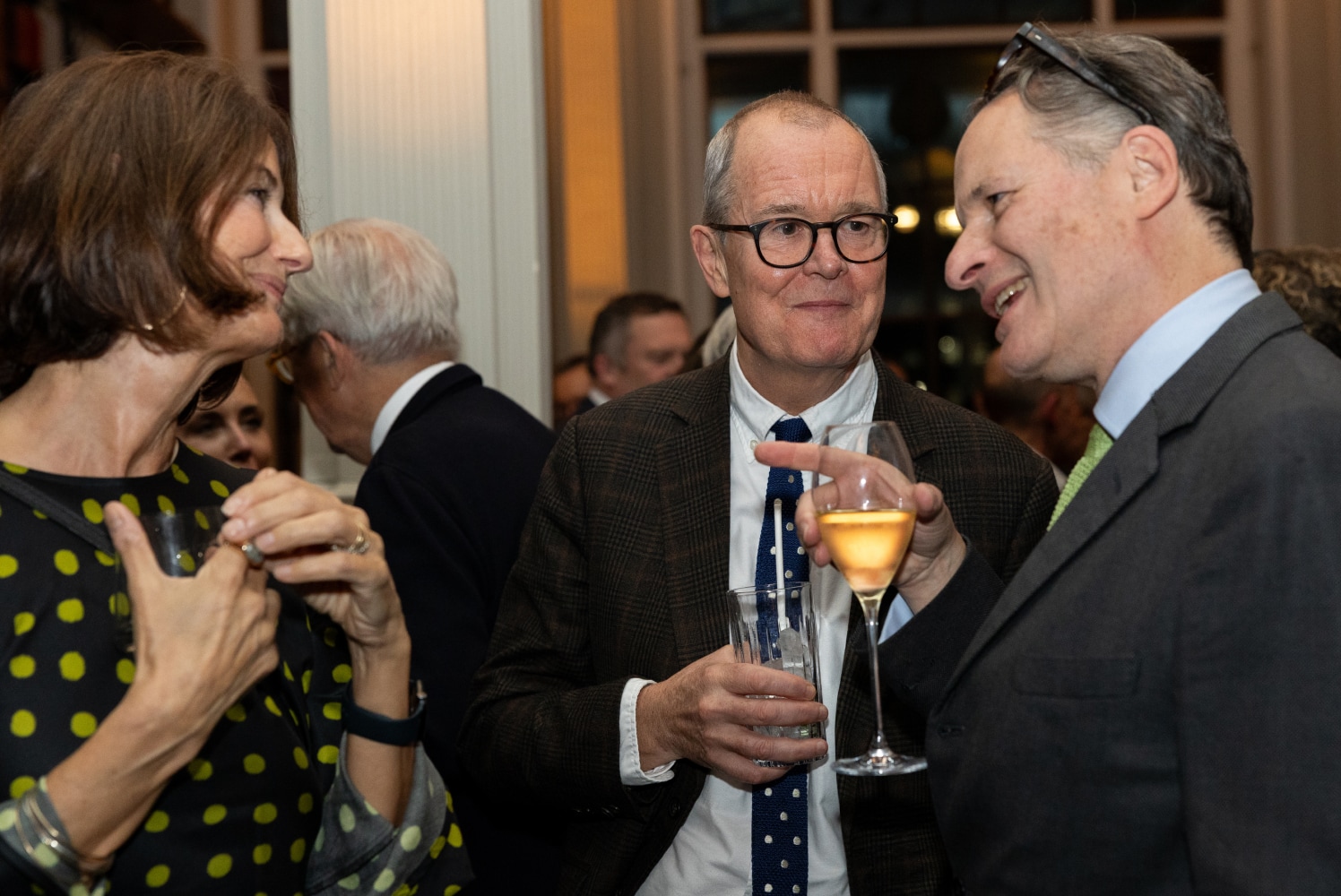
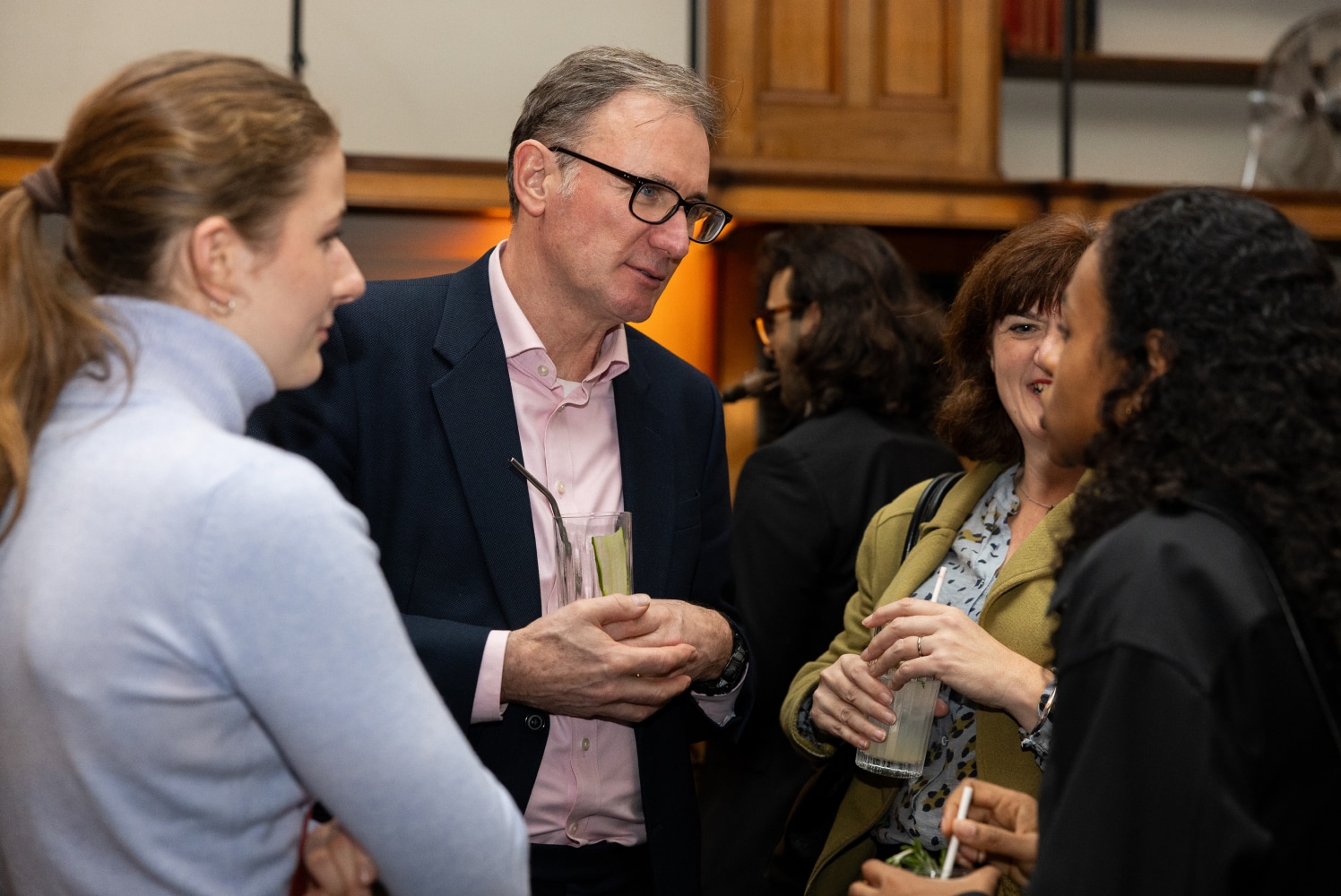
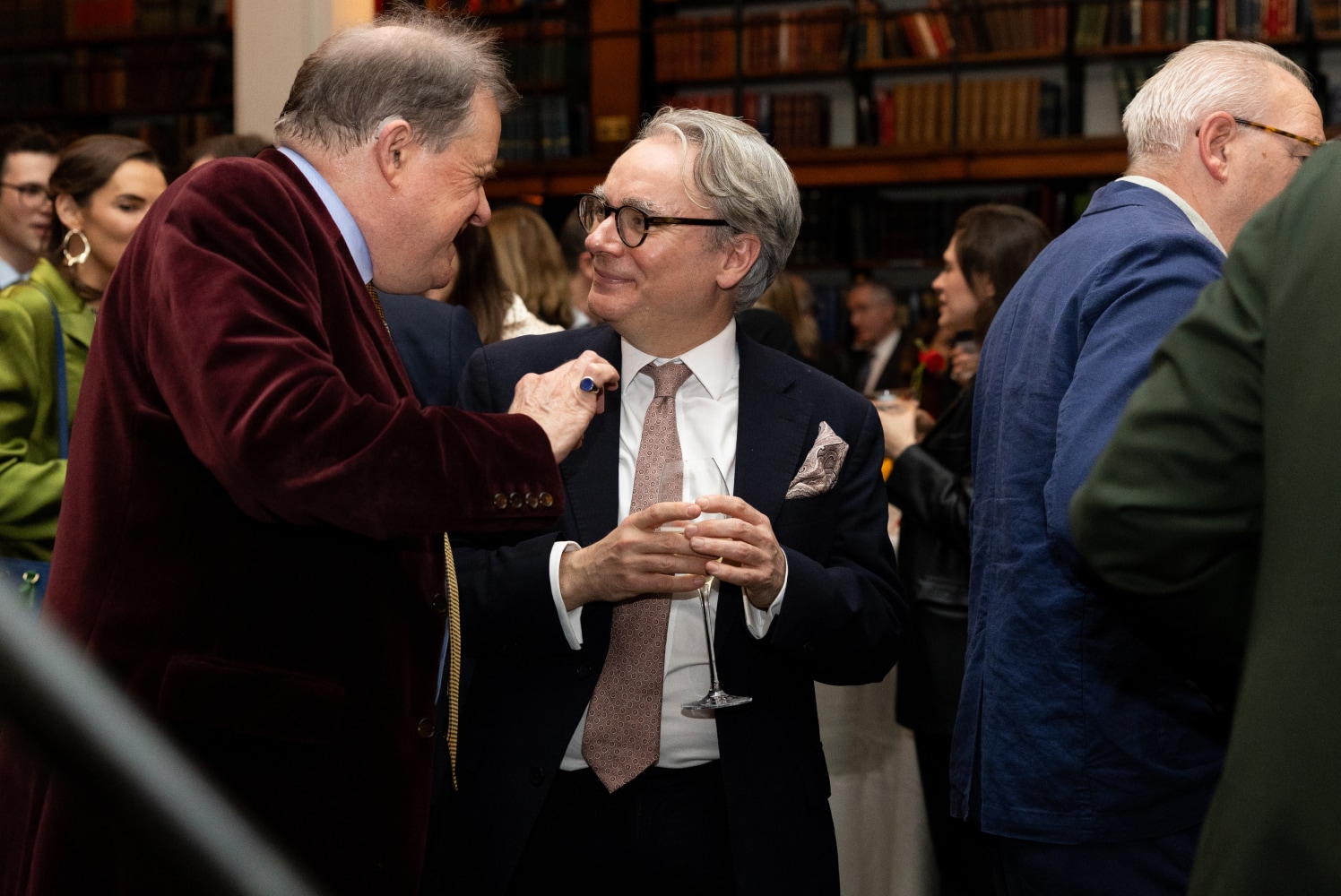
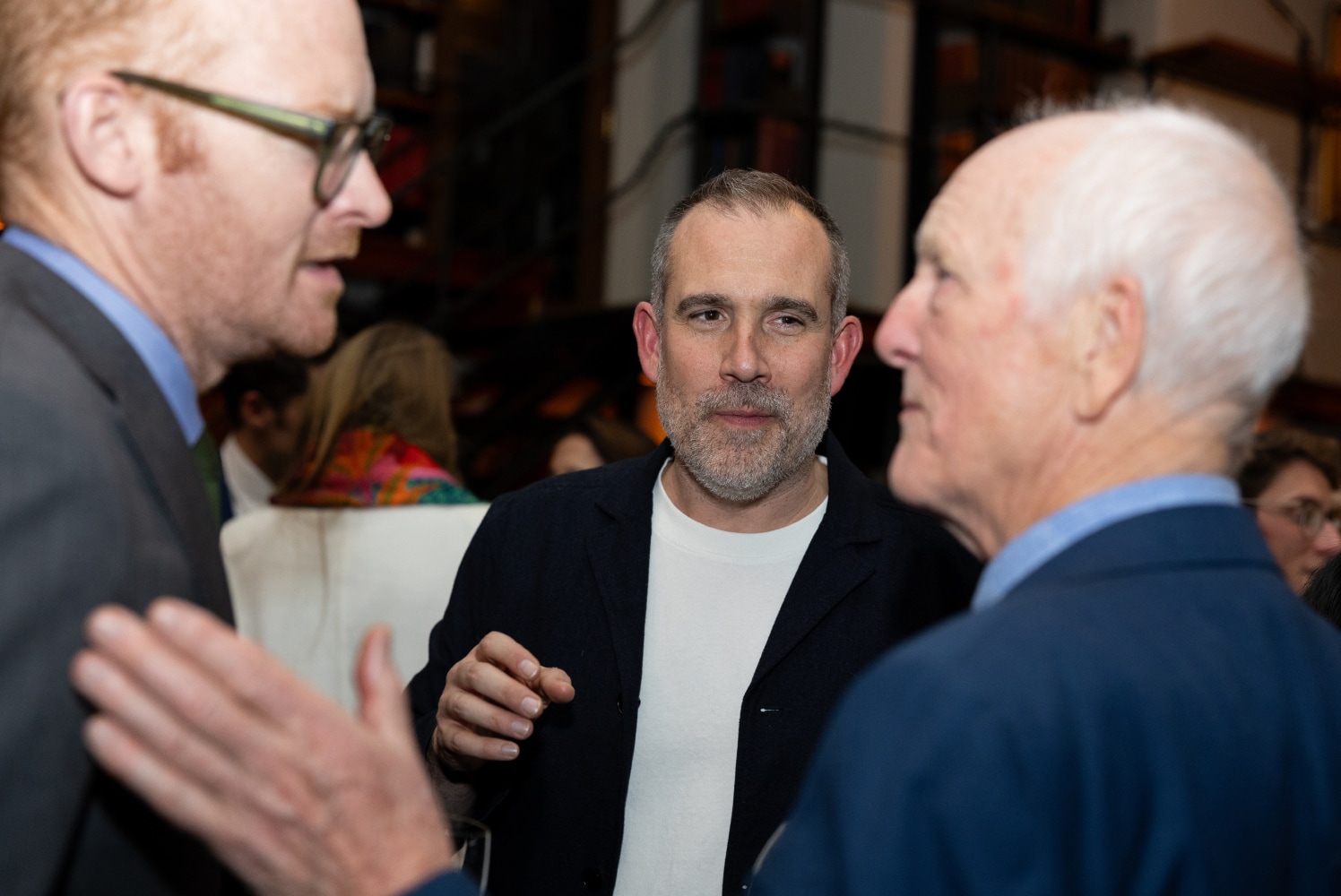
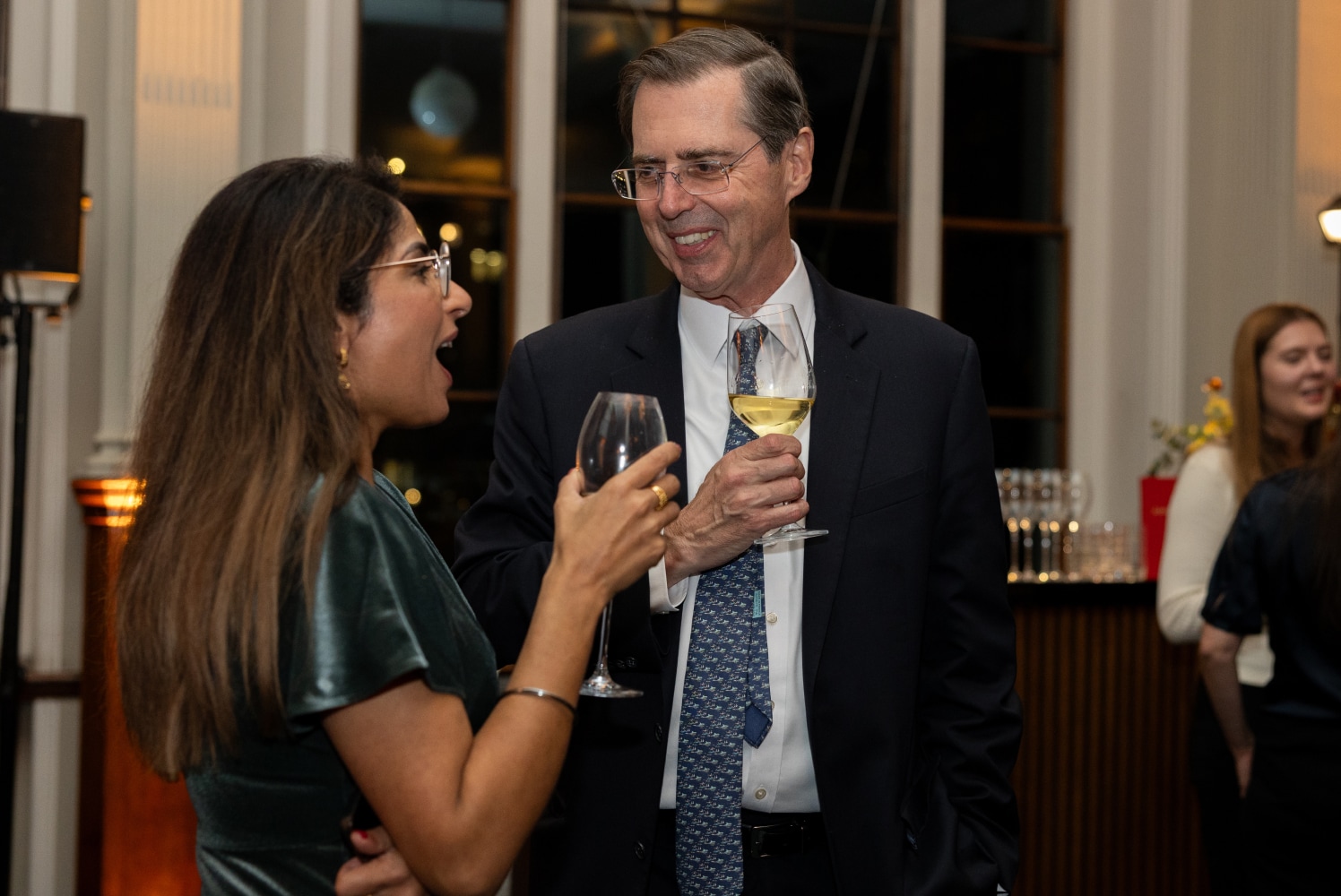
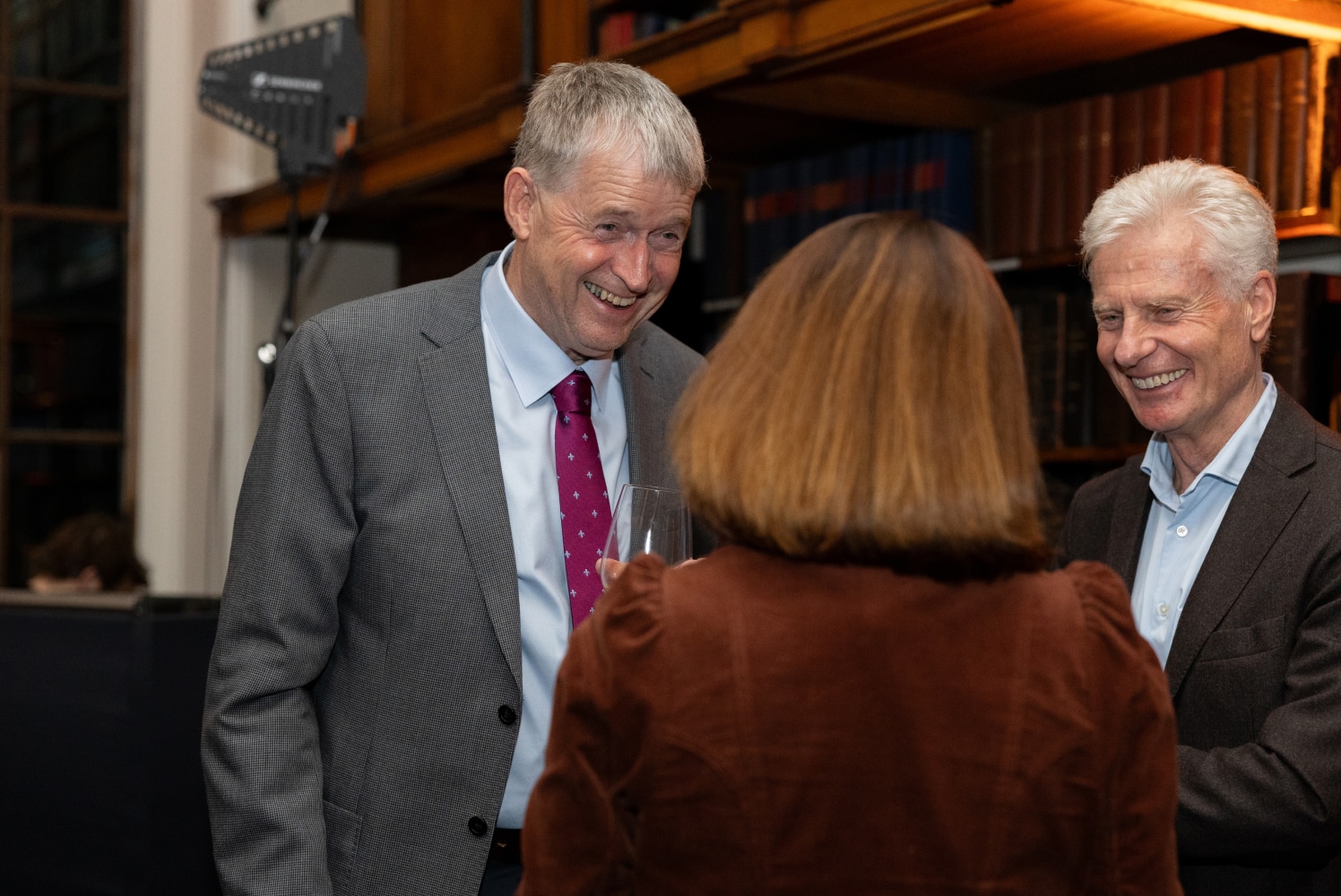
The winning and other shortlisted essays were celebrated at a very special awards evening in the Reading Room of The London Library, which brought together over 100 guests from the worlds of literature and science, the performing arts and academia, politics, philosophy and business.
The short film below captures the spirit of the evening.
The Brief
We invited candidates to submit a considered response debating the following statement:
In 1589, Richard Hakluyt relied on personal accounts to give his readers a new understanding of the world. Today, despite an abundance of data and machine-generated analysis, organisations and individuals alike struggle to make sense of an increasingly complex global landscape. As we look to navigate this fast-evolving environment, human insights will be more important to decision-making than data analytics and dashboards.
An excerpt from this year’s winning essay:
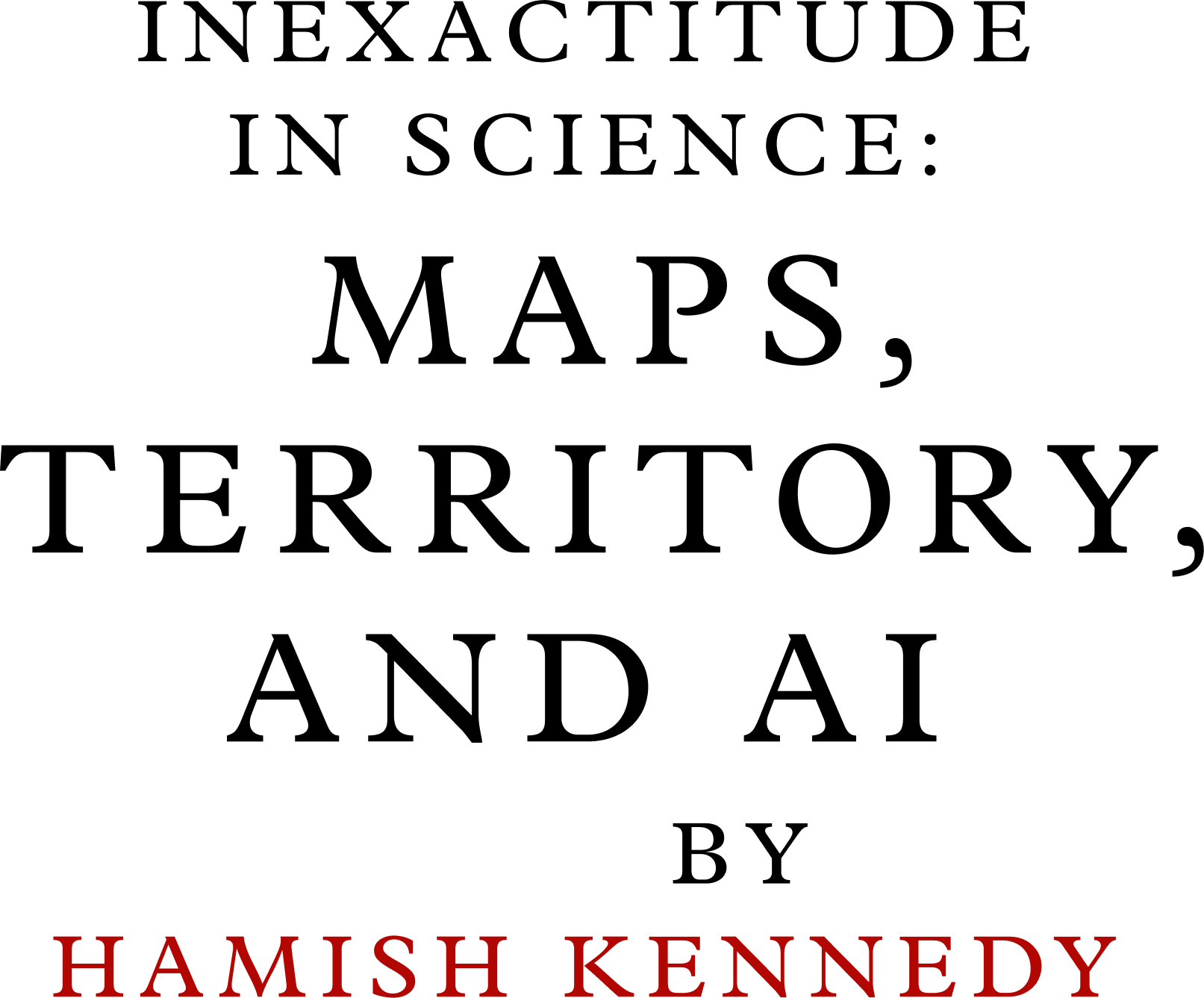
Whilst Richard Hakluyt completed The Principal Navigations, Voyages, Traffiques and Discoveries of the English Nation at the turn of the 17th century, a debate raged in Seville at the Casa de Contratación, an institution founded by Queen Isabella I to standardise nautical cartography for the Spanish Empire. In one corner were ships’ pilots, who remained attached to the charts they had hand-drafted and revised personally over countless Atlantic voyages. In the other were formally educated court cosmographers, adamant that sailors be trained in the new science of celestial navigation and plot their courses using imperial master maps. As Hakluyt himself recognised, outlined here were the lines of a wider epistemological battle between rationalism and empiricism – logic and reason pitted against experience and observation.
Four centuries on, the philosophical quandary at the heart of this vignette remains relevant to our present socio-political situation, beset as it is by the conflict between data-driven evidence and personal acumen. The onset of the data age has contributed to a sense that the balance is tipped now in favour of the former; perhaps irreversibly so, on account of the rise of generative AI. However, as evidence from global economies continues to accumulate, there are many reasons to be cautious about this judgement. Moreover, they point towards an enduring human place in future decision-making.
An essential initial step is to unpack the ‘human vs. data’ dichotomy. In its strictest sense, it is a false equivalency: human insights and data do not occupy opposite poles, but overlap significantly. In fact, the domain of ‘human insight’ can be said to draw from both quantitative and qualitative methodologies, rendering the idea of a simple human-data binary analysis unhelpful. Two further qualifications are needed to make it fit for purpose. The first is a conceptual narrowing to focus on insights which are specifically human, rather than simply feasible for humans: both humans and computers can multiply large numbers, but one does so far more effectively. Second, ‘data’ must refer here to a broad spectrum of formalised computational tasks: from the basic tools of quantitative measurement and statistical analysis to the complex probability distributions that power large language models. It is only with these two modifications that the case for ‘human insight’ can actually be argued.



Judging Panel
-
Rt Hon Lord William Hague FRSL
Chancellor, University of Oxford
-
Lara Boro
Former CEO, The Economist Group
-
Professor Joseph Fuller
Professor of Management Practice, Harvard Business School
-
Lord Mark Sedwill GCMG
Chair, International Institute for Strategic Studies Trustees Former UK Government Cabinet Secretary and National Security Adviser
-
Holly Morrow
Deputy Managing Partner, Hakluyt
For any interest in the 2027 Hakluyt Essay Prize, please email
[email protected]